VinceRES-e 2m F5L
Description
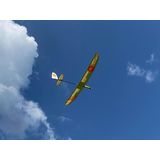
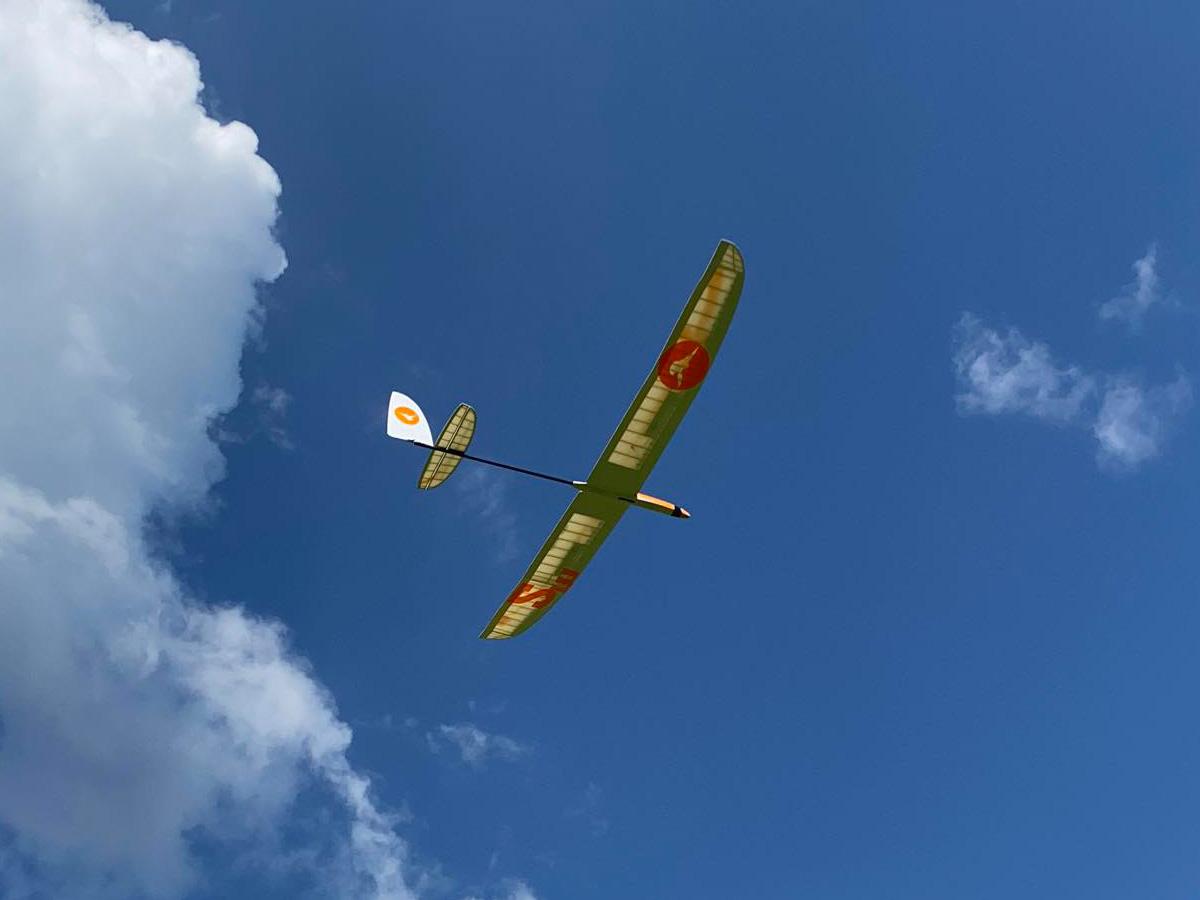
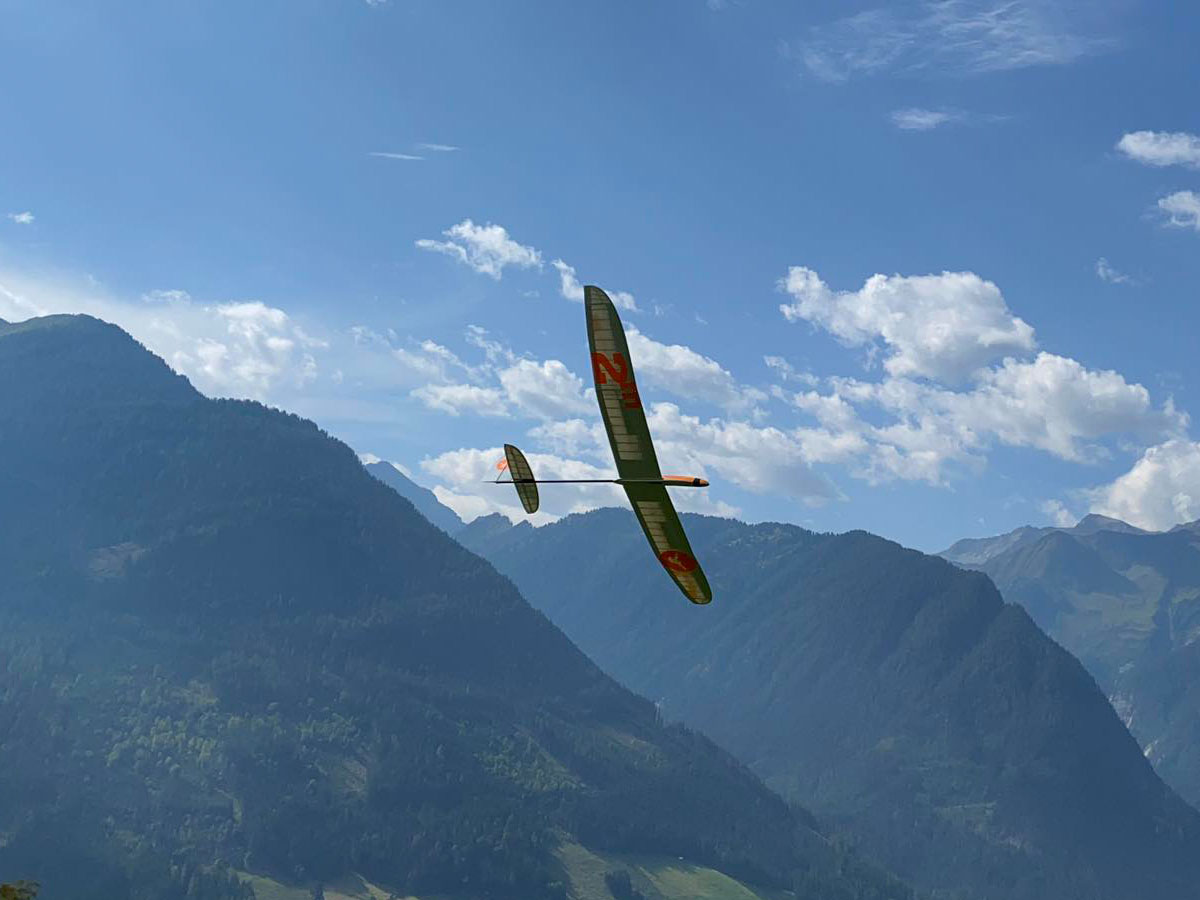
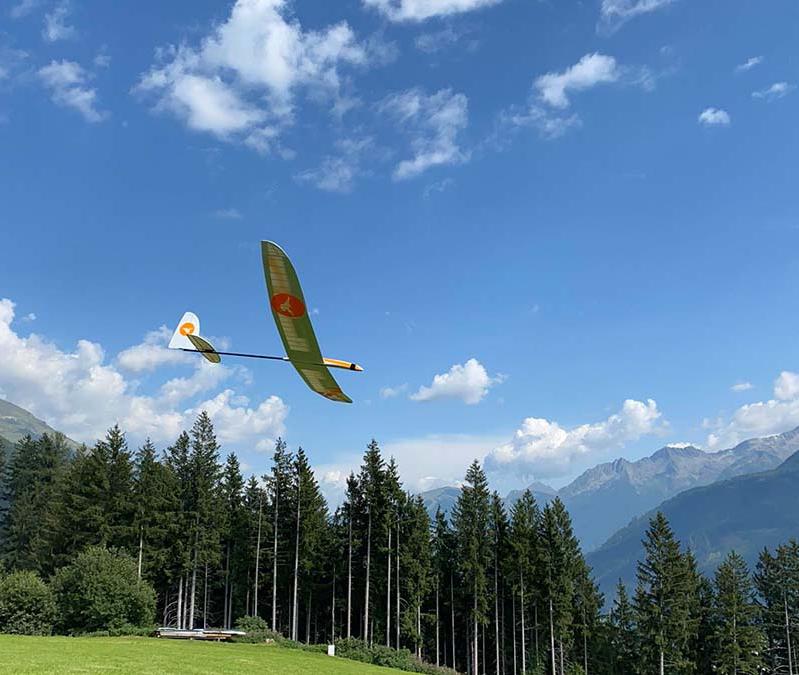
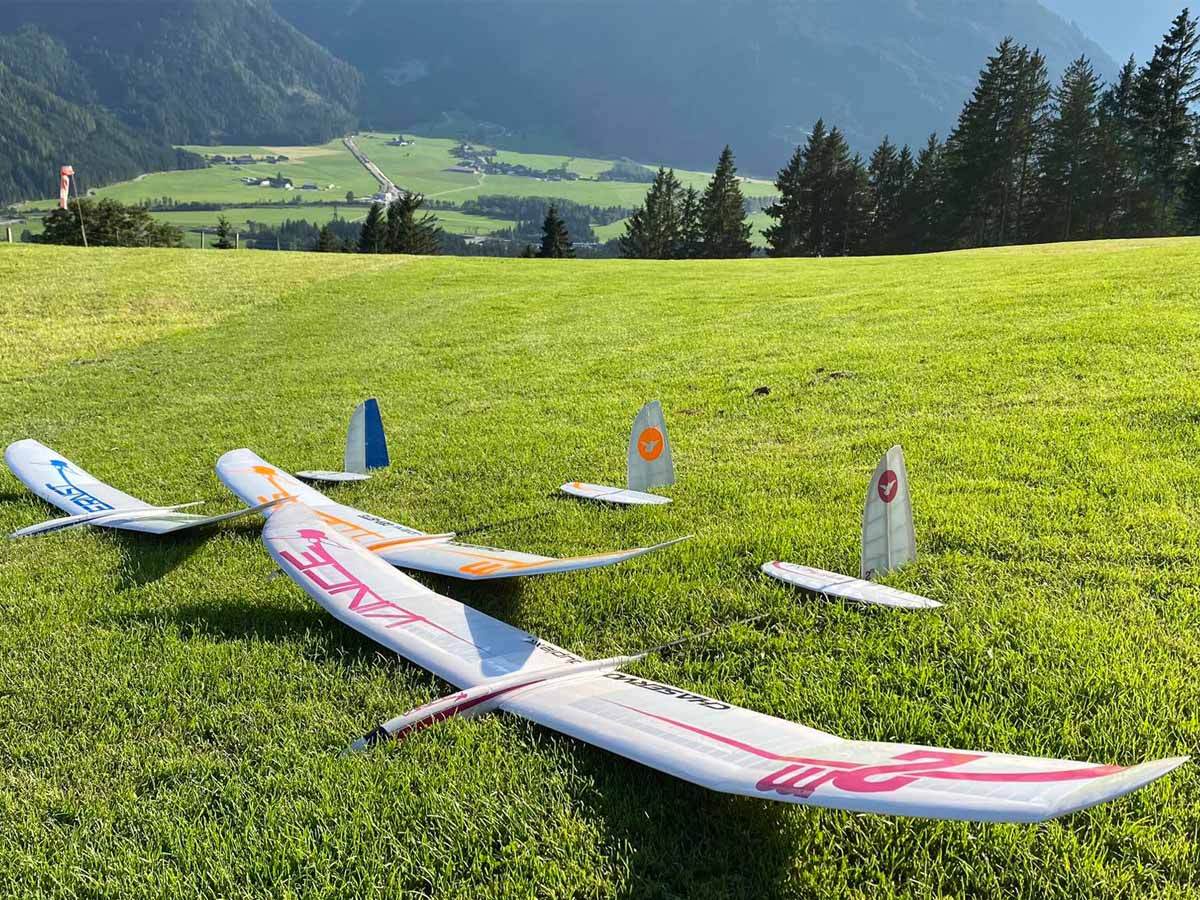
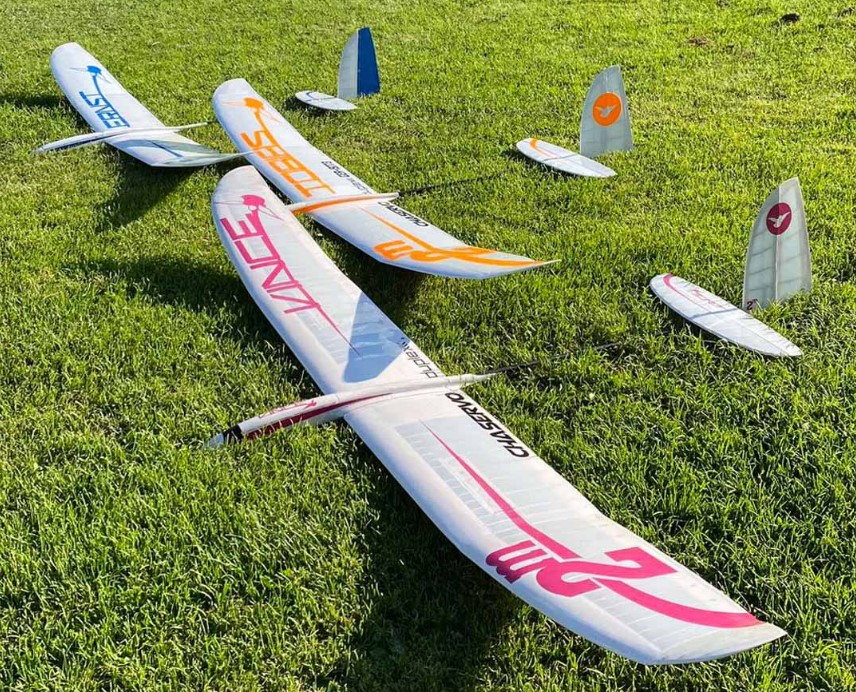
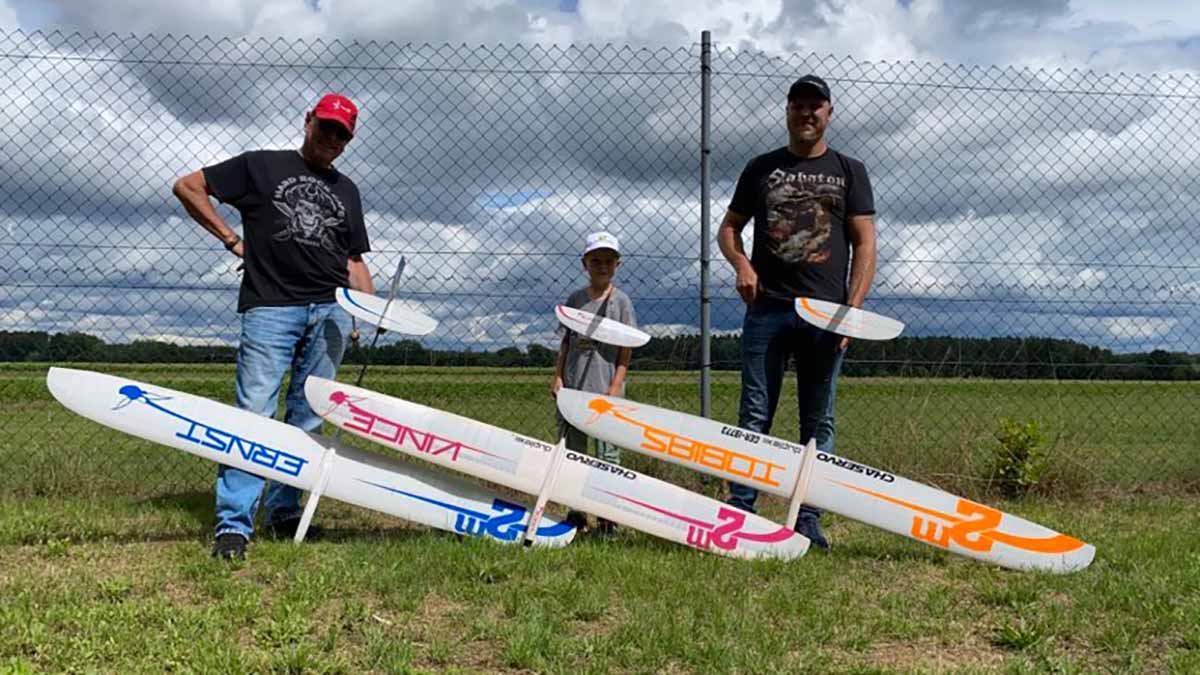
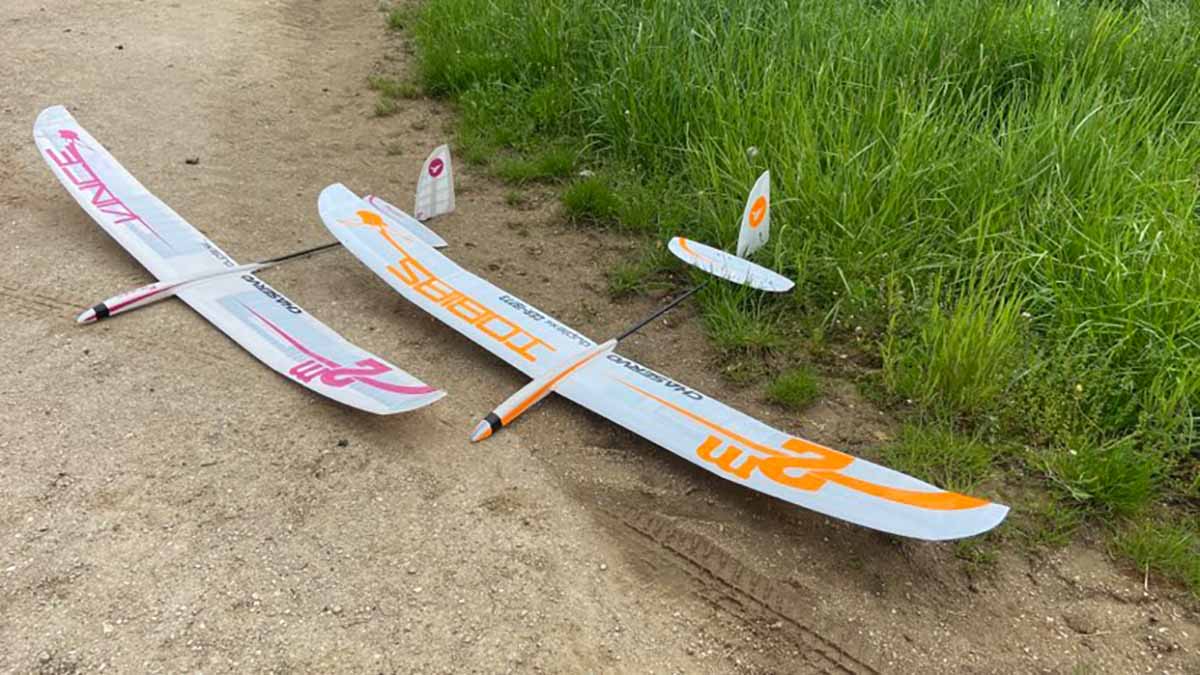
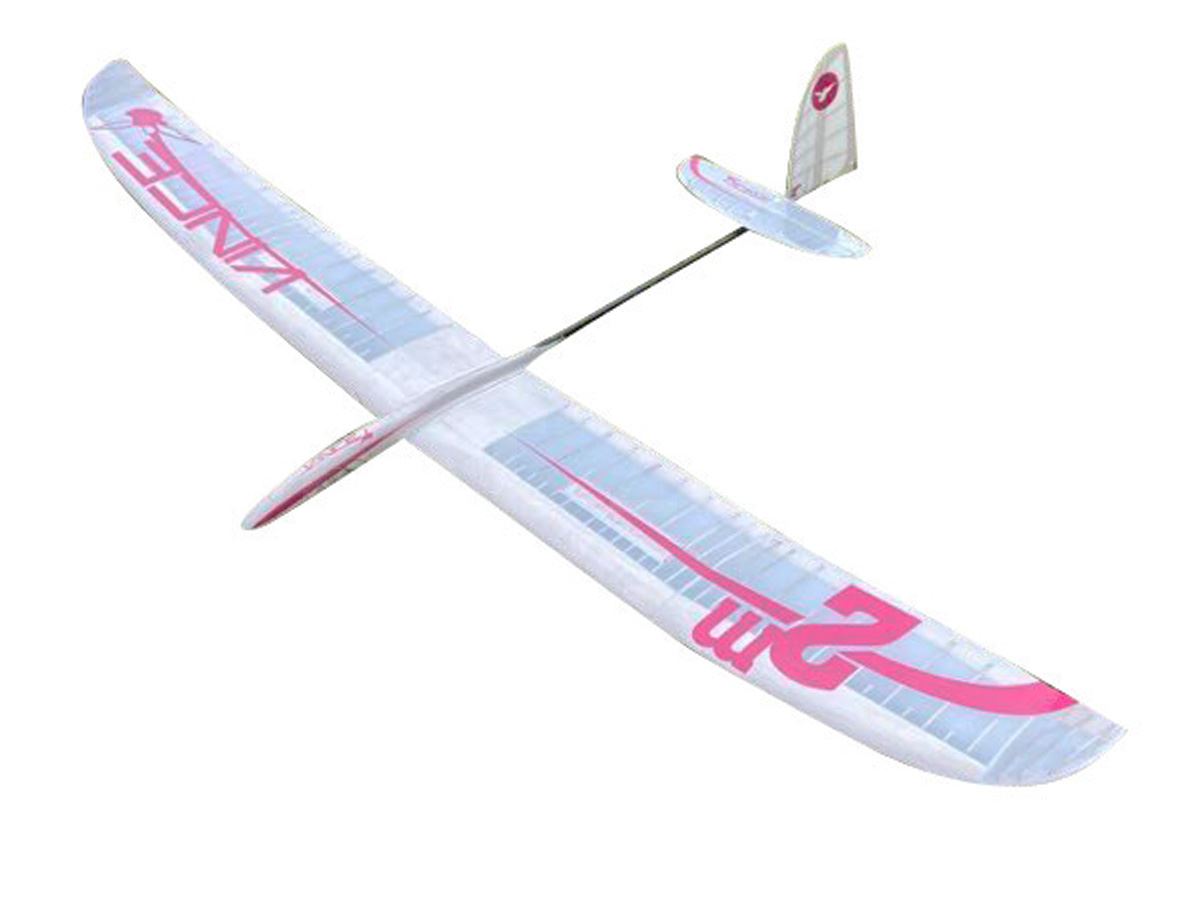
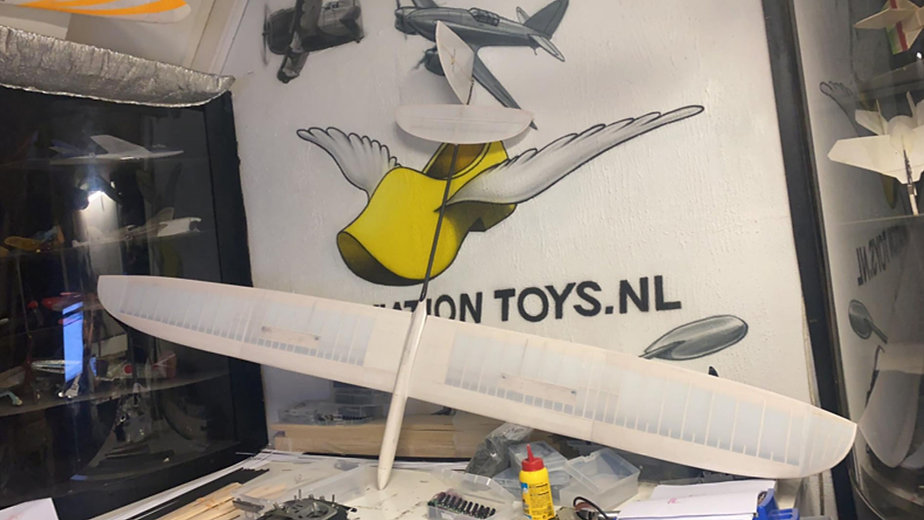
The VinceRES-e 2m is a new F5L RES electric glider designed by Jeroen Kole and Vincent Merlijn. Vincent won the 2017 world championship in F3K in a team with Jeroen. After the success of their CX-RES Mini it was decided to design a 2m F3L/F5L/RES model. The first competitions with the prototype in 2022 showed that the VinceRES is really competitive and recently the VinceRES achieved 2nd place in the 2023 German F3L Championships. It can quickly cover large distances, but also climbs very well in thermals, with particularly good performance in strong winds when ballasted. The spoiler position chosen results in almost no turbulence over the tailplane, giving improved response to the controls and ensuring full landing points.
The main distinguishing feature is the model's low wing. Vincent Merlijn wrote this email to HyperFlight to explain his design philosophy:
This low wing requirement comes from F3K, where low drag at speed is most important, especially during launch as it translates into height. Also for making distance we see a slight advantage with a low wing design. Aerodynamically the improvement is small, only expert competition pilots will notice it. With RES it is less of a factor, but the principle still applies.
I have chosen this design mostly because of looks and because I became F3K World Champ in 2017, with a low winged Concept x5. The VinceRES 2m is a family member of Concept;) In my opinion a lot of RES planes fly well but the looks - not so much. So I took some effort to design something that looks nice and distinctive and flies at least as well as the current best RES high wing models. I hope Jeroen Kole and myself achieved that.
We also designed the airfoils ourselves and in combination with the large wing area this has resulted in a possibility to fly slowly in weak thermals and also make good distance when needed. When penetrating against the wind the VinceRES goes better than the other models I flew against, especially when using ballast. This is the real strong point of the VinceRES 2m, flying in wind. Put in ballast and she becomes a RES beast;)
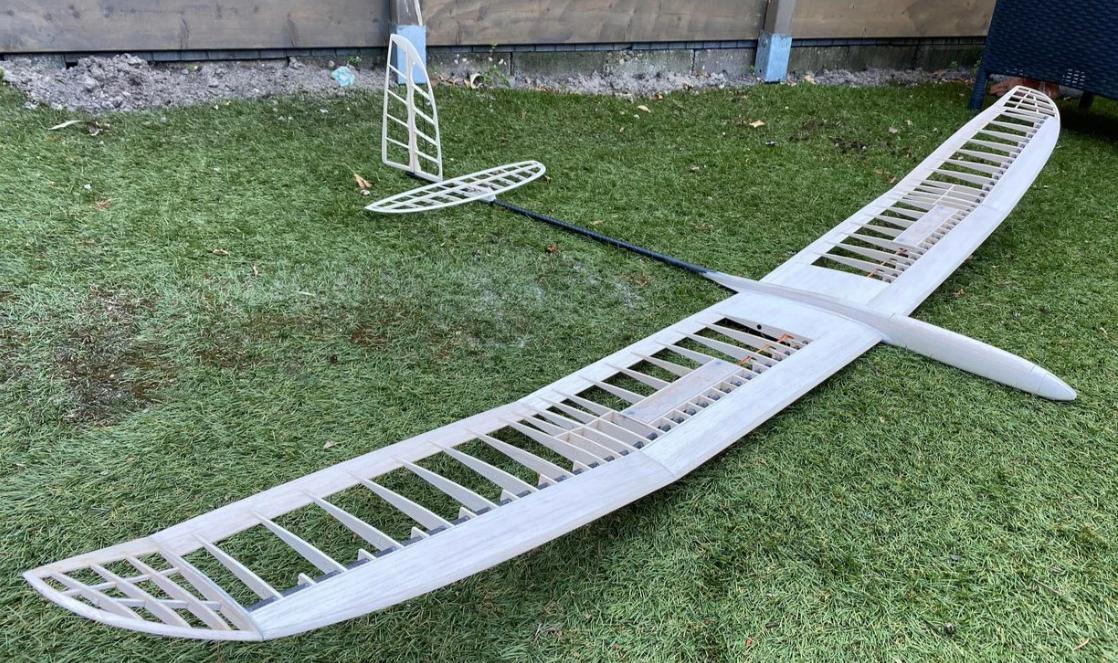
The main design focus was lift optimization, wide speed range and agile control performance. For this purpose new wing and tailplane airfoils were developed. The two-piece wing has a Dbox front part to maximise laminar flow and minimise drag. It also has a low taper, keeping the Reynolds Number high at the tip, increasing efficiency and reducing tip stalls. This gives very nice handling characteristics and makes thermalling easy. The wing uses a carbon joiner and stabilizer is attached using screws, making the model easily transportable.
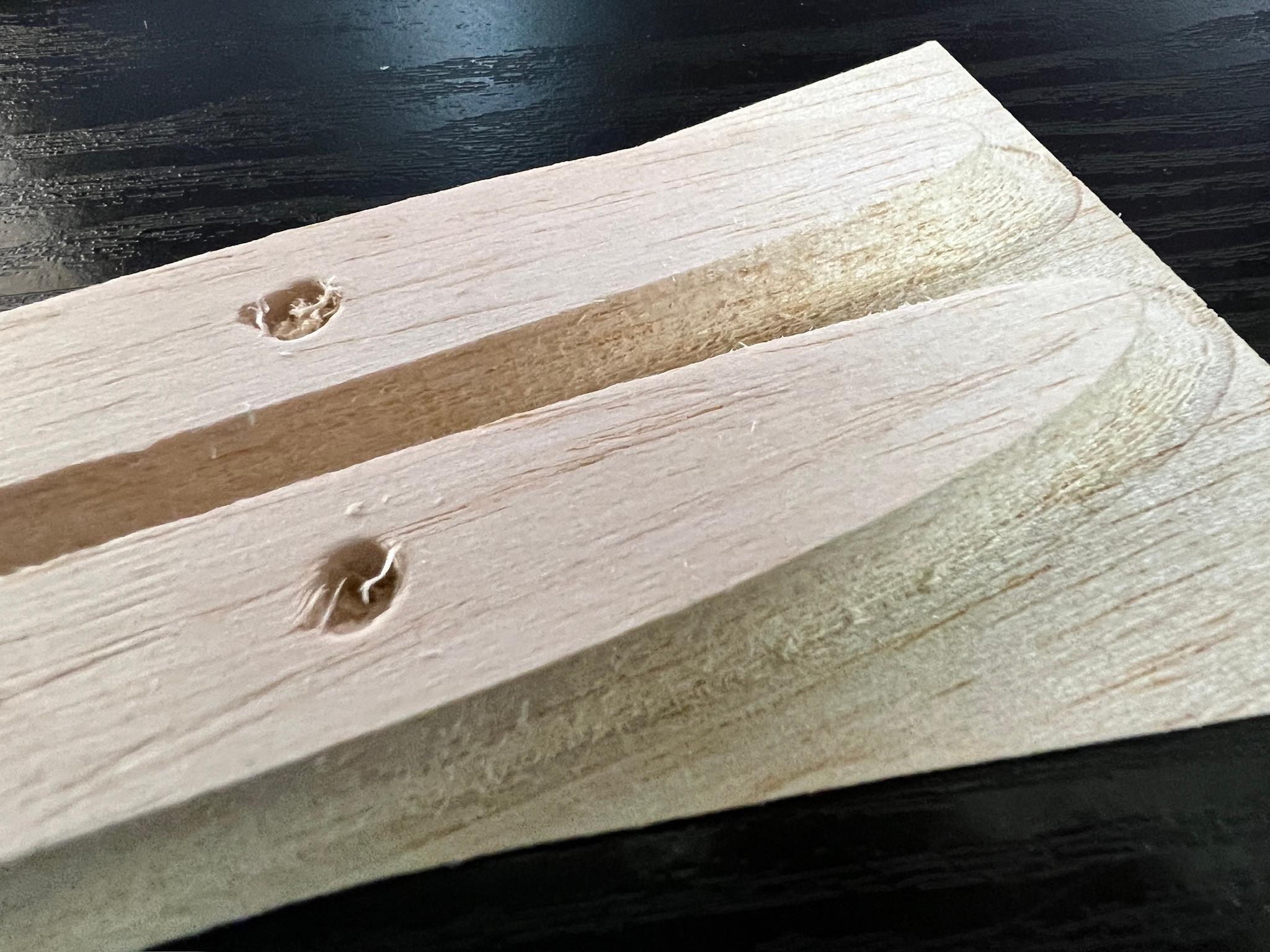
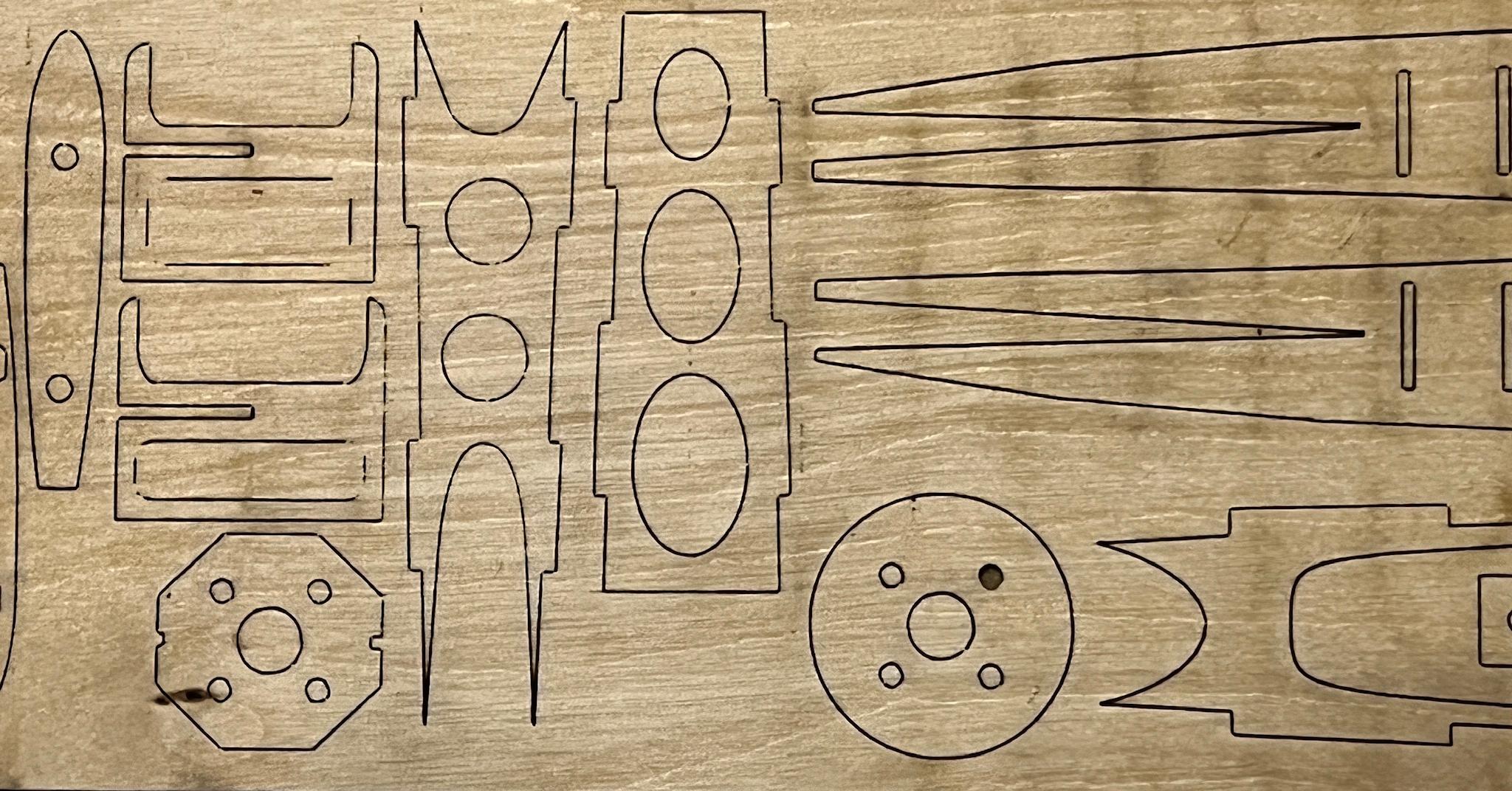
Most of the components are laser cut and designed so that the individual parts can be clicked together like a self aligning 3D puzzle. This avoids construction errors before gluing and reduces the build time. An outstanding feature us that some critical parts are 3D CNC cut to create 3D shapes. The milled fillets to fair the wing roots into the fuselage are particularly impressive.
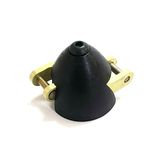
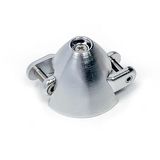
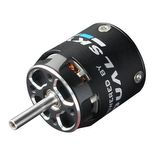
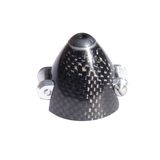
The electric fuselage in this version is well thought out. It uses a 30mm spinner and firewall and the internal space behind the firewall is octagonal with just over 25mm between facets. This allows 22mm or 23mm diameter outruners or 25mm cased outrunners to be fitted. The firewall has 4 holes on a 16mm diameter.
See the More Details section at the bottom of the page for the link to the good photo build log.
The kit contains:
(C) 2024 Neil Stainton
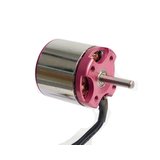
** This motor may need a small widening of the internal fuse space to fit.
The main distinguishing feature is the model's low wing. Vincent Merlijn wrote this email to HyperFlight to explain his design philosophy:
This low wing requirement comes from F3K, where low drag at speed is most important, especially during launch as it translates into height. Also for making distance we see a slight advantage with a low wing design. Aerodynamically the improvement is small, only expert competition pilots will notice it. With RES it is less of a factor, but the principle still applies.
I have chosen this design mostly because of looks and because I became F3K World Champ in 2017, with a low winged Concept x5. The VinceRES 2m is a family member of Concept;) In my opinion a lot of RES planes fly well but the looks - not so much. So I took some effort to design something that looks nice and distinctive and flies at least as well as the current best RES high wing models. I hope Jeroen Kole and myself achieved that.
We also designed the airfoils ourselves and in combination with the large wing area this has resulted in a possibility to fly slowly in weak thermals and also make good distance when needed. When penetrating against the wind the VinceRES goes better than the other models I flew against, especially when using ballast. This is the real strong point of the VinceRES 2m, flying in wind. Put in ballast and she becomes a RES beast;)
The main design focus was lift optimization, wide speed range and agile control performance. For this purpose new wing and tailplane airfoils were developed. The two-piece wing has a Dbox front part to maximise laminar flow and minimise drag. It also has a low taper, keeping the Reynolds Number high at the tip, increasing efficiency and reducing tip stalls. This gives very nice handling characteristics and makes thermalling easy. The wing uses a carbon joiner and stabilizer is attached using screws, making the model easily transportable.
Most of the components are laser cut and designed so that the individual parts can be clicked together like a self aligning 3D puzzle. This avoids construction errors before gluing and reduces the build time. An outstanding feature us that some critical parts are 3D CNC cut to create 3D shapes. The milled fillets to fair the wing roots into the fuselage are particularly impressive.
The electric fuselage in this version is well thought out. It uses a 30mm spinner and firewall and the internal space behind the firewall is octagonal with just over 25mm between facets. This allows 22mm or 23mm diameter outruners or 25mm cased outrunners to be fitted. The firewall has 4 holes on a 16mm diameter.
See the More Details section at the bottom of the page for the link to the good photo build log.
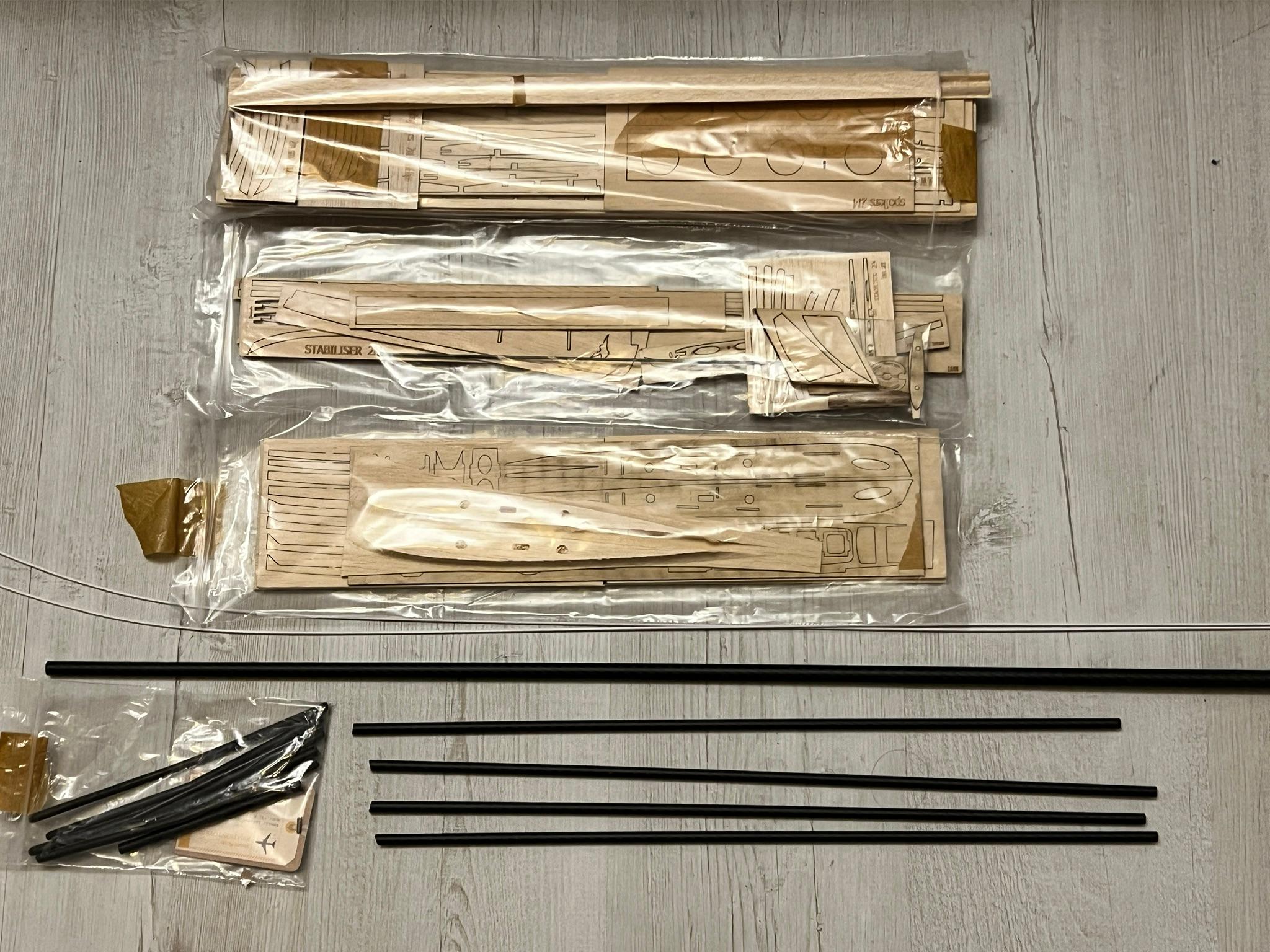
The kit contains:
- Laser cut plywood and balsa parts.
- All control linkages (carbon inside and plastic outside).
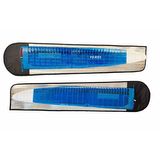
- CNC machined leading edges, hub and wing fairings.
- Carbon fiber outriggers for the fuselage.
- Carbon spars and joiners.
- Small material.
- Printed plans.
- Love for aviation and model making.
(C) 2024 Neil Stainton
| VinceRES-e 2m Specifications | ||
|---|---|---|
| Wing span | 2.0 m | 78 in |
| Wing area | 36.7 dm2 | 569 sq in |
| Length | 112 cm | 44.1 in |
| Flying weight from | 472 g | 16.6 oz |
| Wing loading | 12.9 g/dm2 | 4.2 oz/sq ft |
| Aspect ratio | 10.8 | |
| Wing airfoil | Custom 6.7-8.0% | |
| Dihedral (EDA) | 12.0º | |
| Spinner Diameter | 30 mm | |
| Centre of Gravity | 62-73 mm from wing LE (69 mm recommended) | |
| Controls | Rudder, elevator, spoilers, throttle | |
| VinceRES-e 2m Typical Weights | ||
|---|---|---|
| Bare structure | 315 g | 11.1 oz |
| Covering | 45 g | 1.6 oz |
| Total structure | 360 g | 12.7 oz |
| Receiver | 6 g | 0.2 oz |
| Rudder servo | 5 g | 0.2 oz |
| Elevator servo | 5 g | 0.2 oz |
| Spoiler servos (2) | 10 g | 0.4 oz |
| Motor | 37 g | 1.3 oz |
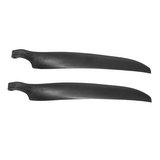
| Prop & spinner | 19 g | 0.7 oz |
| ESC | 7 g | 0.2 oz |
| Battery | 23 g | 0.8 oz |
| Flying weight | 472 g | 16.6 oz |
| Recommended RC | |
|---|---|
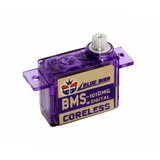
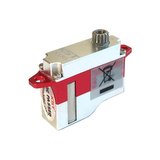
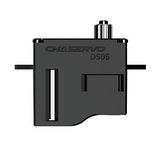
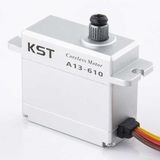
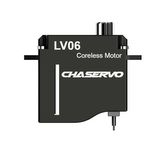
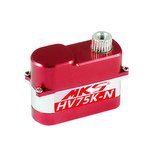
| Rudder & elevator servos | CHA DS06, Blue Bird BMS-101DMG, Blue Bird BMS-101HV, KST X06 |
| Spoiler servos | CHA DS06, Blue Bird BMS-101DMG, Blue Bird BMS-101HV, KST X06 |
| Receiver | 5 or 6 channel receiver to match your transmitter |
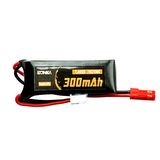
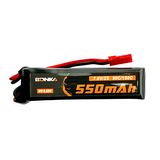
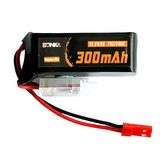
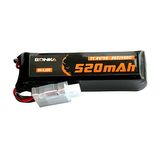
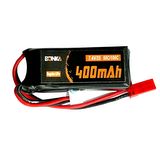
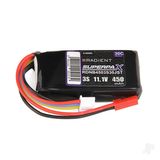
| Battery | Bonka LiPo 2S 400mAh, Bonka LiPo 3S 300mAh, Bonka HV LiPo 3S 520mAh |
| ESC | HyperFlight 28A BLHELI-32, HyperFlight 30A BLHELI-32 |
| Control Throws | |
|---|---|
| Rudder | 17 mm each way |
| Elevator | 10 mm up & down |
| Spoilers | 80º up |
| Electric Powertrain Recommendations | |
|---|---|
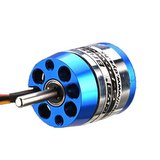
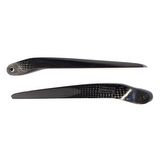
| Dualsky XM2527EG-23 | 2S 400-500mAh LiPo, 9x5, 9x6 |
| Dualsky XM2527EG-23 | 3S 300-450mAh LiPo, 8x4 |
| DYS D2225-19 | 2S 400-500mAh LiPo, 9x6, 10x5 |
| DYS D2225-19 | 3S 300-450mAh LiPo, 7x3.5, 7x4, 8x4 |
| ADH300L** | 2S 400-500mAh LiPo, 11x6 |
| ADH300L** | 3S 300-450mAh LiPo, 8x6, 9x5 |
More details
Reviews 0