Wiki F5L Electric 2m
Description
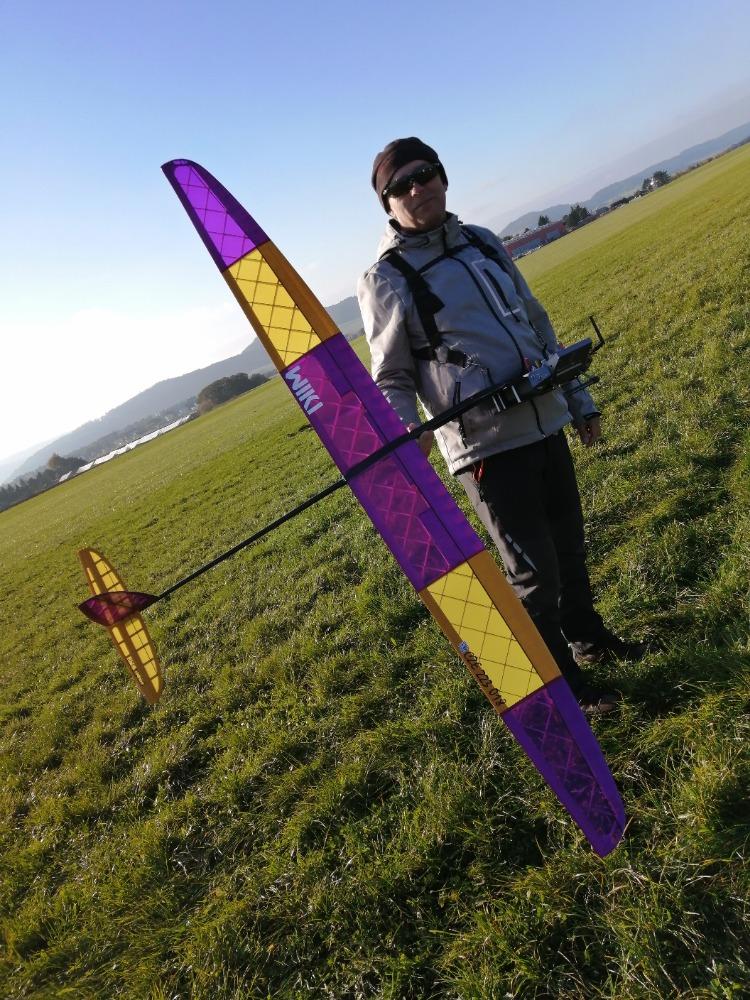
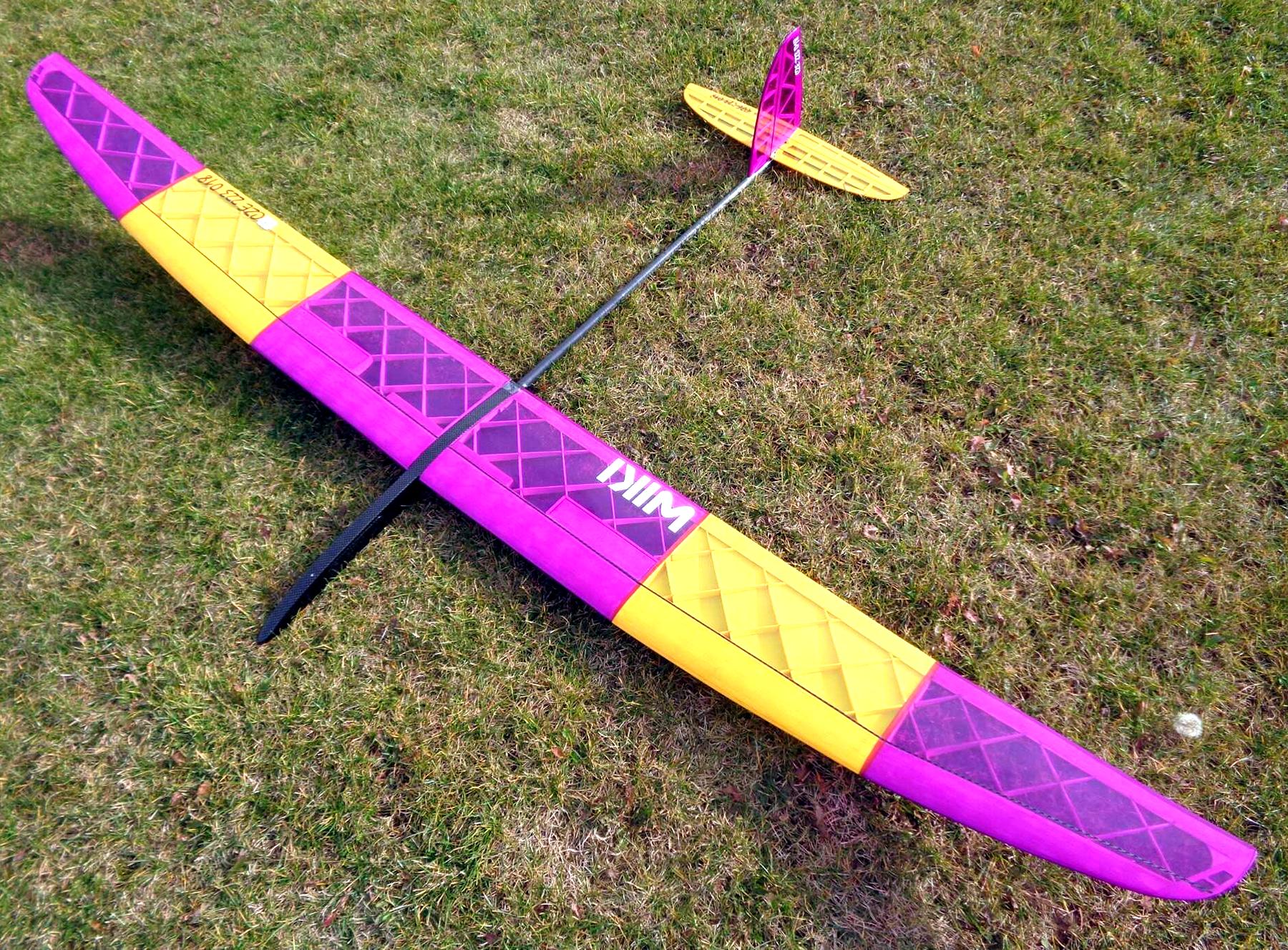
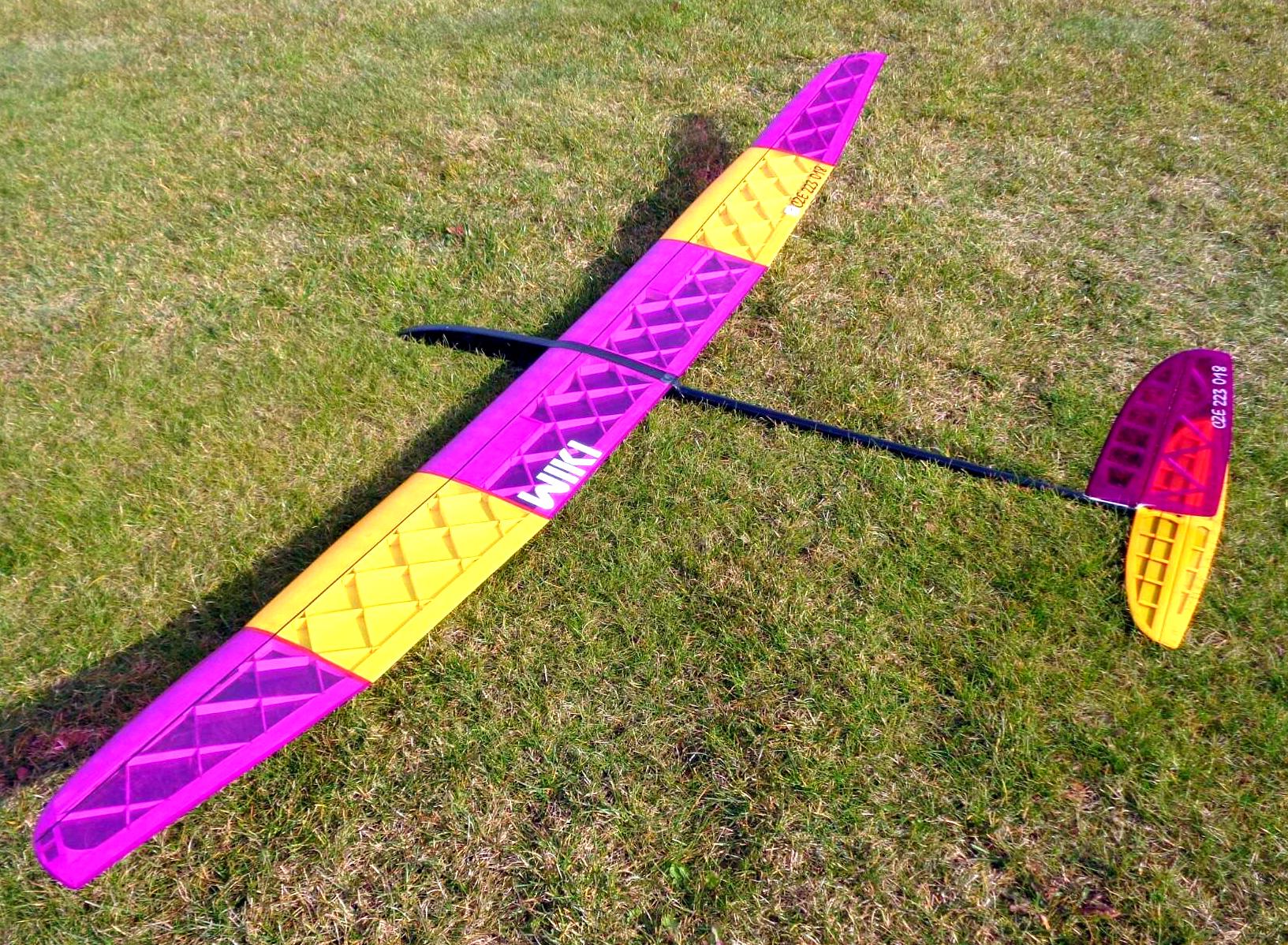
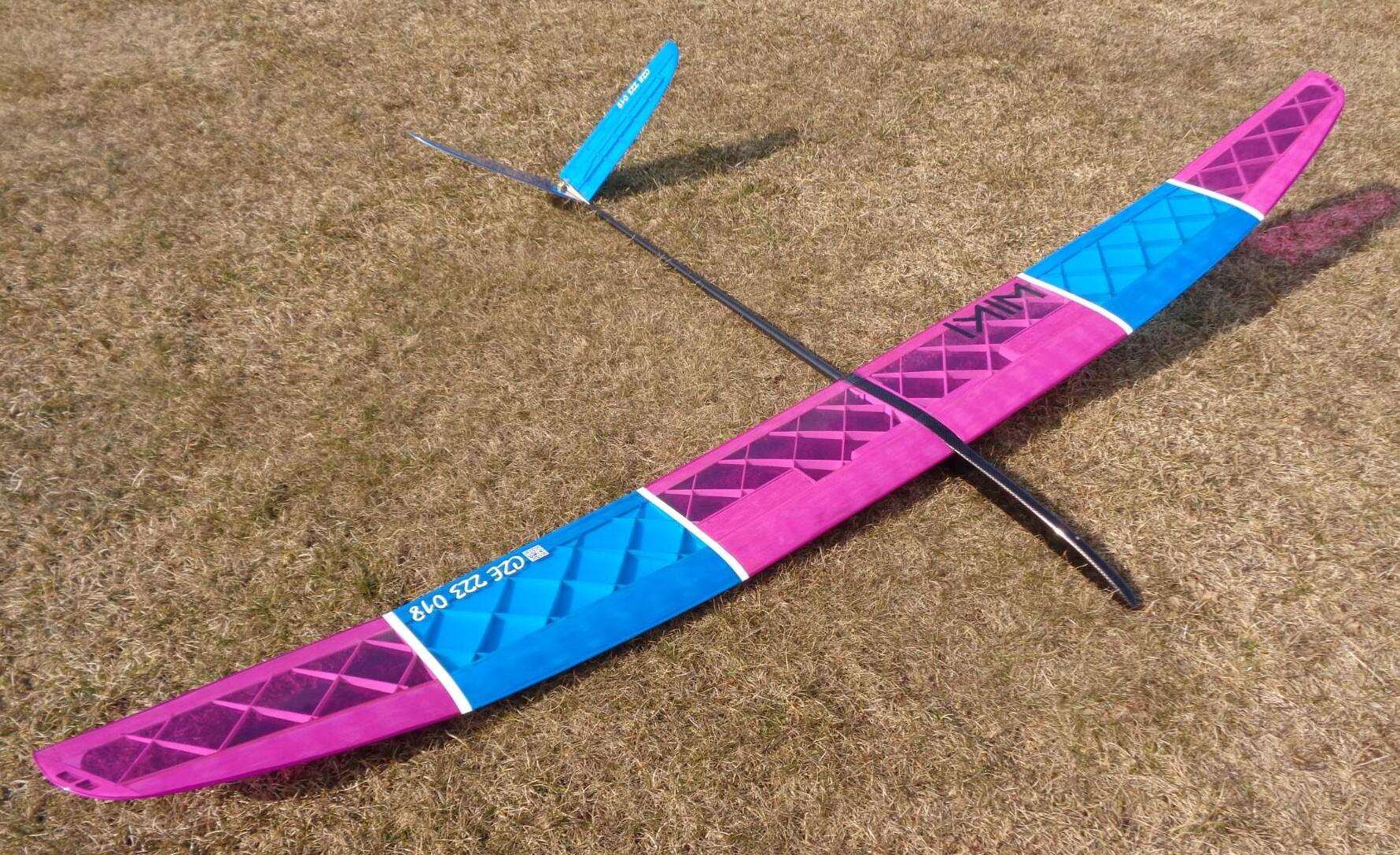
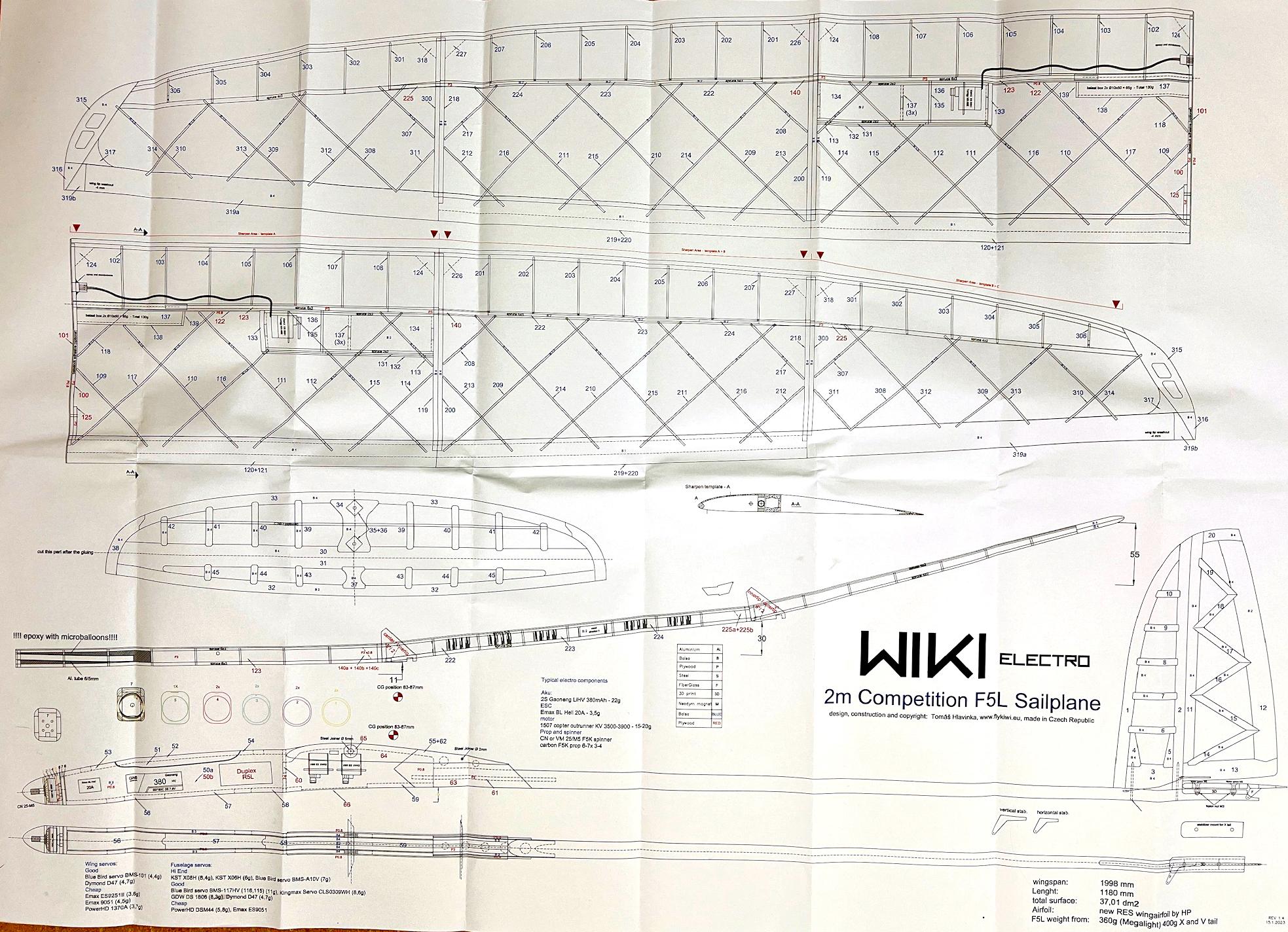
The Wiki was developed in collaboration and consultation with several top pilots and aerodynamicists. It is the probably the ultimate electric RES model of 2023. The Wiki F5L draws on all the experience from five years of development, production and operation of its Kiwi and Wiki F3L glider predecessors and has incorporated important customer feedback from competition and recreational pilots from all over the world.
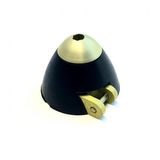
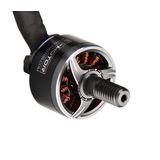
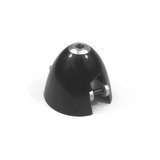
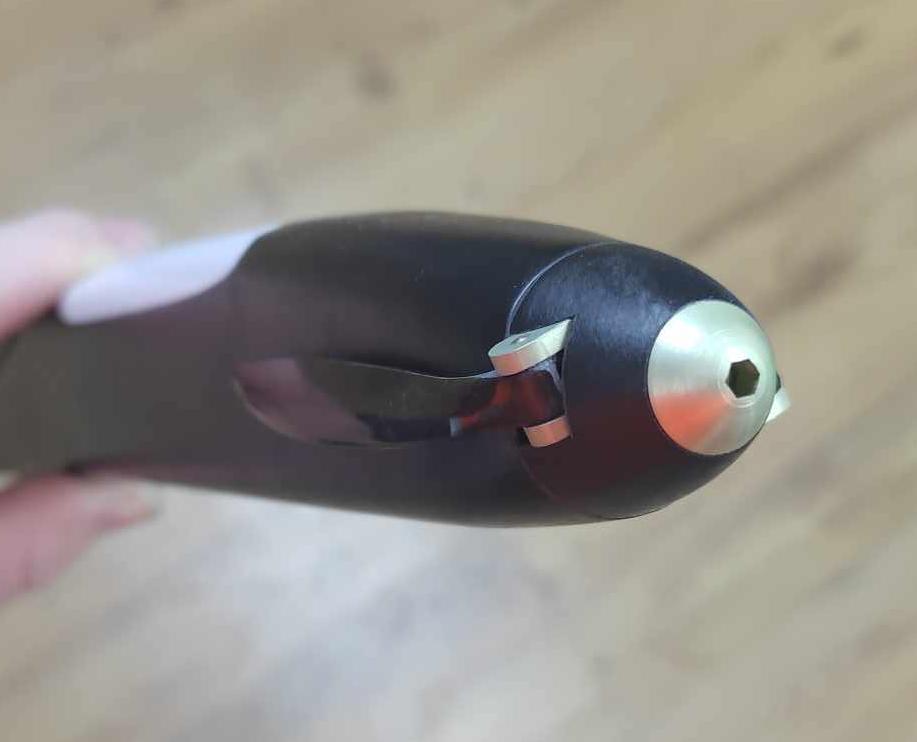
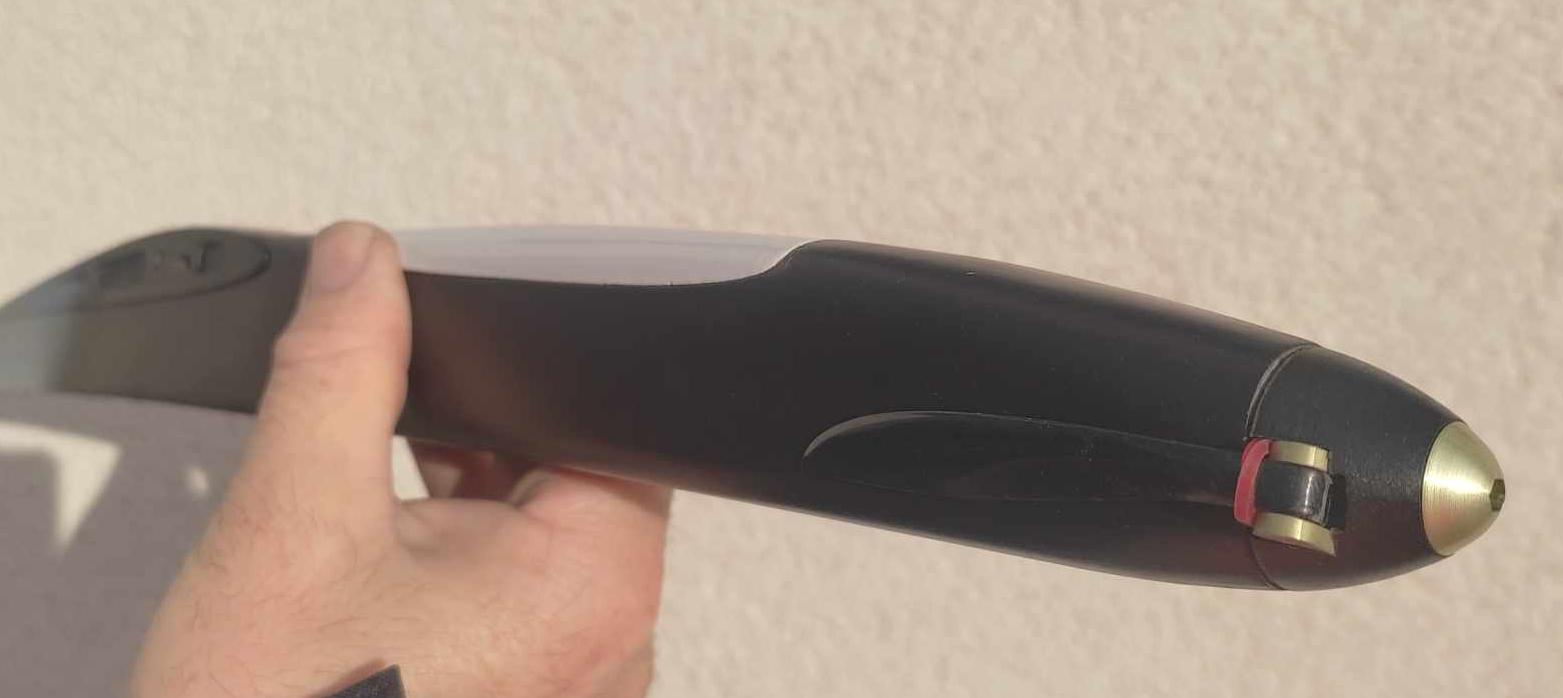
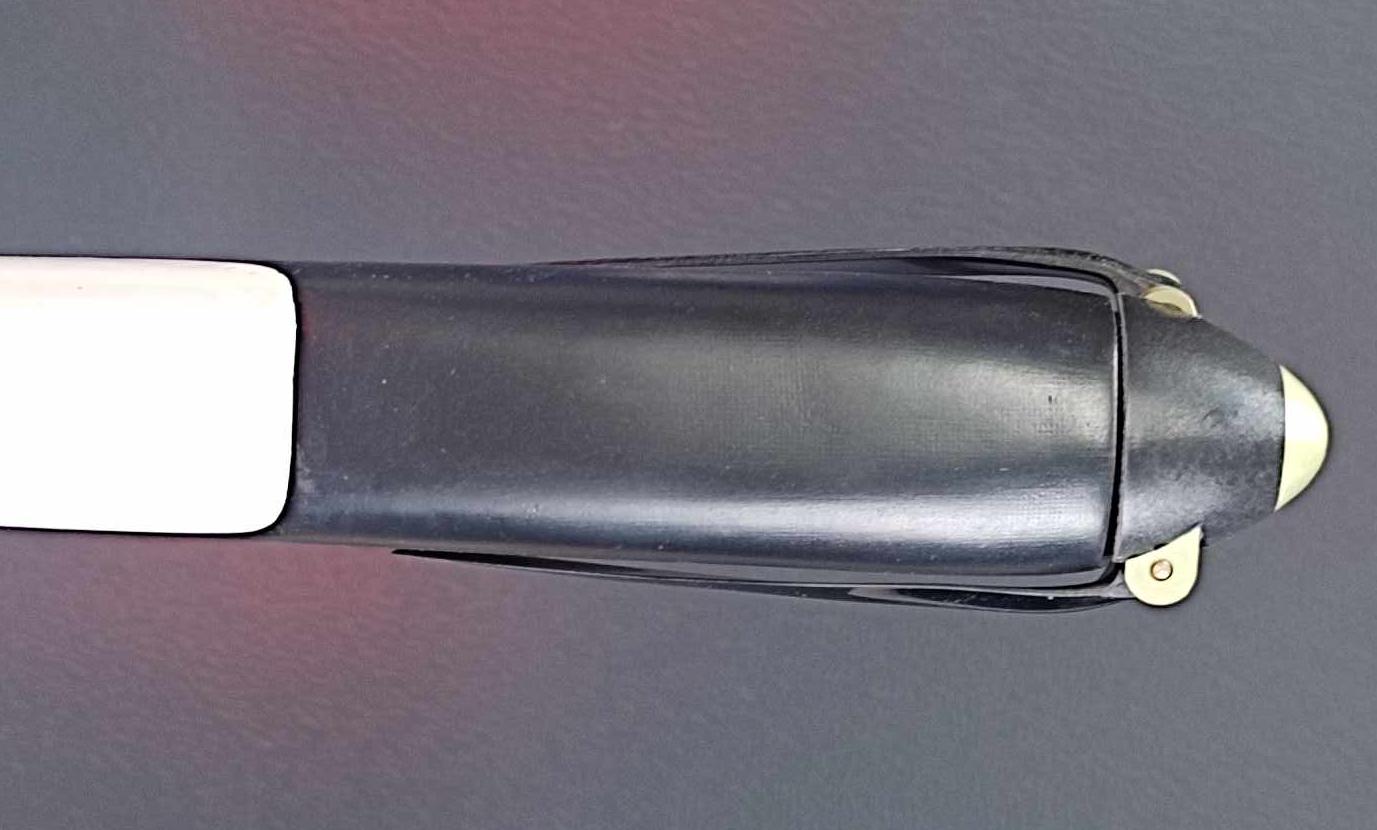
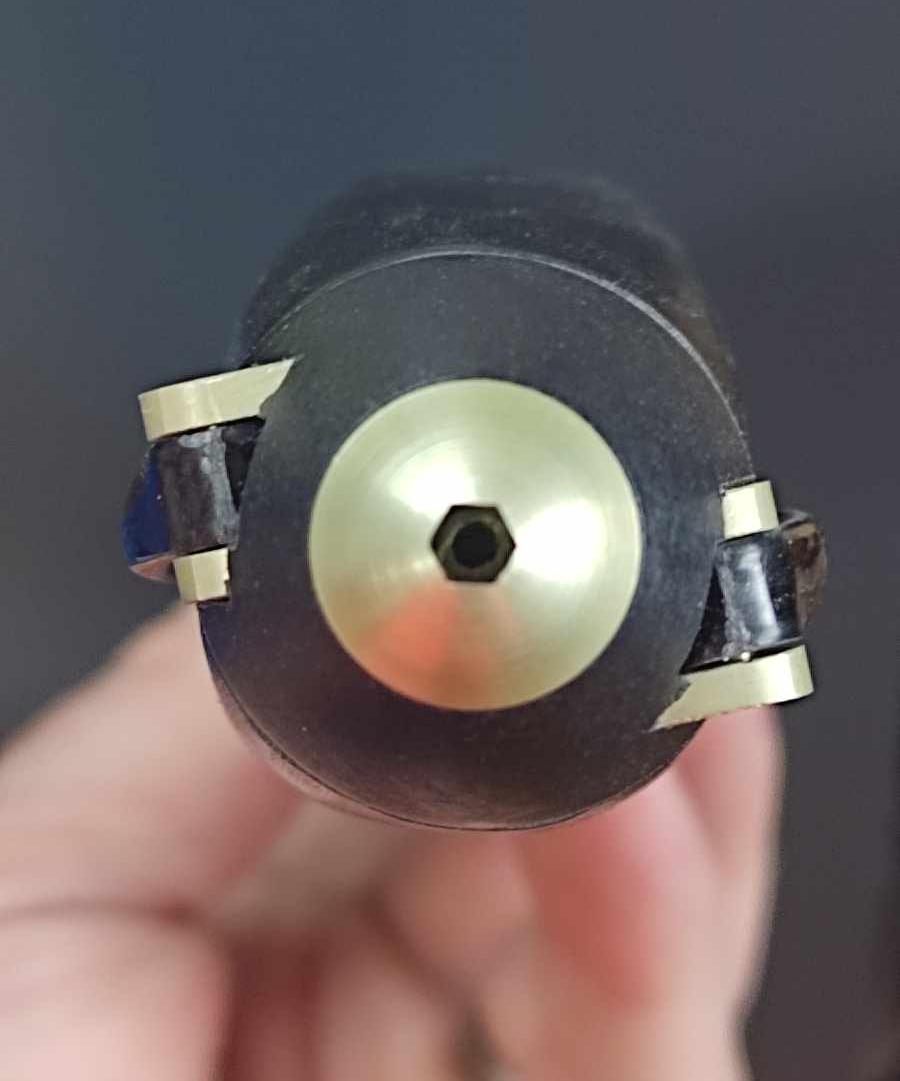
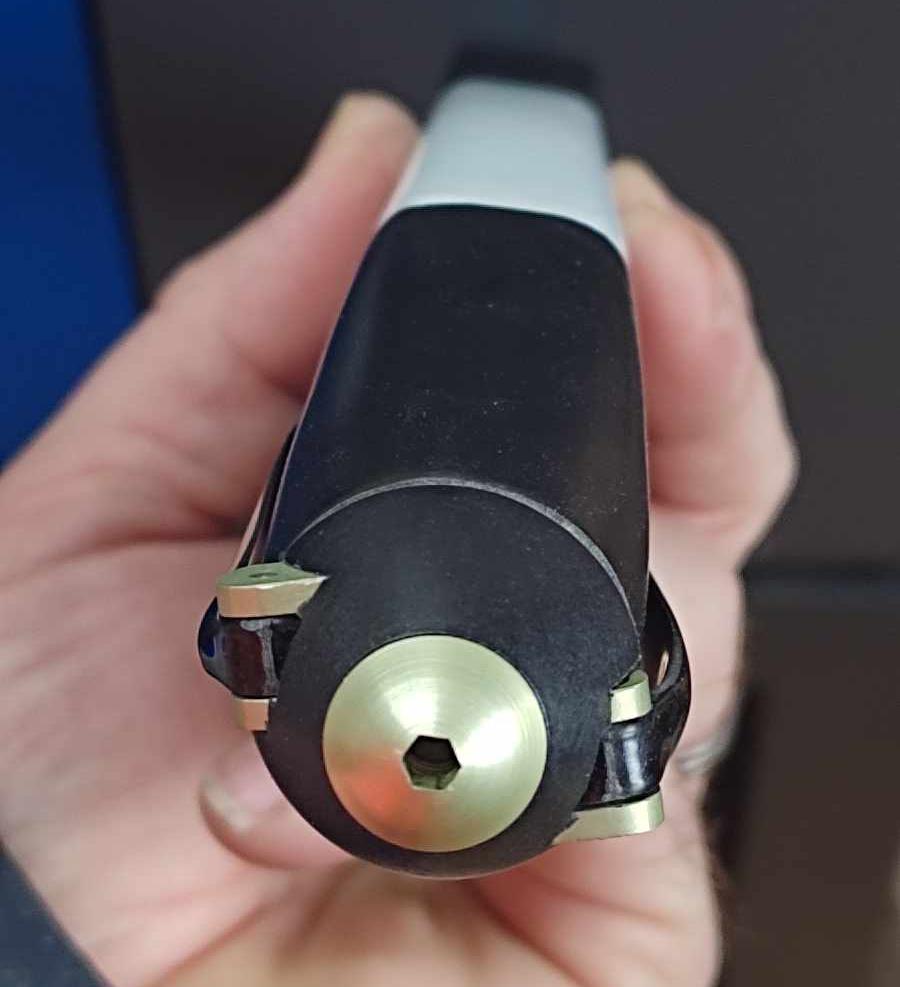
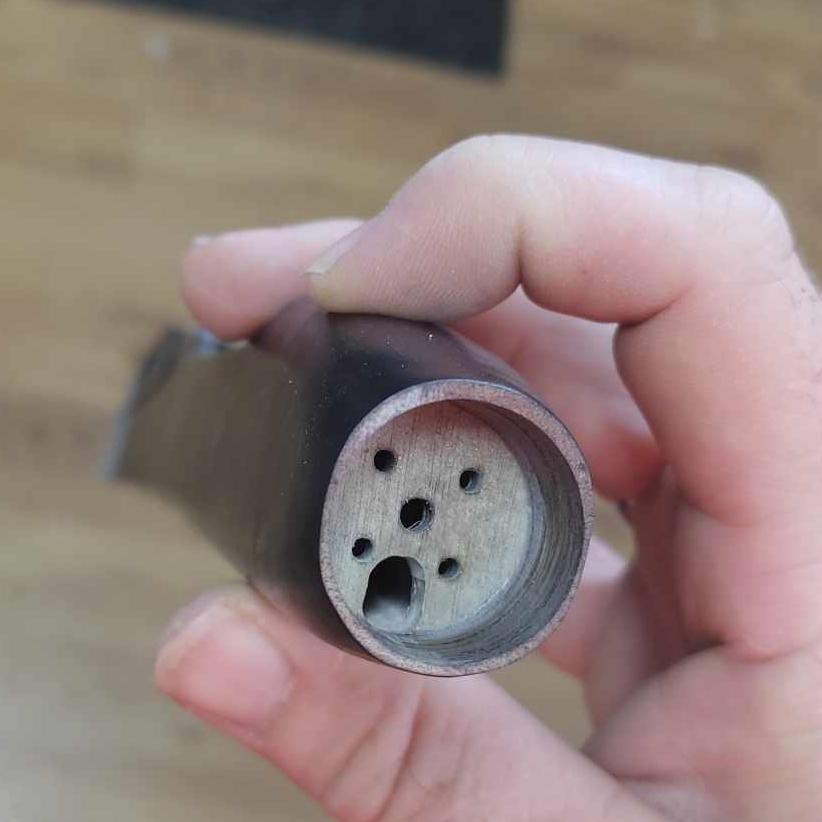
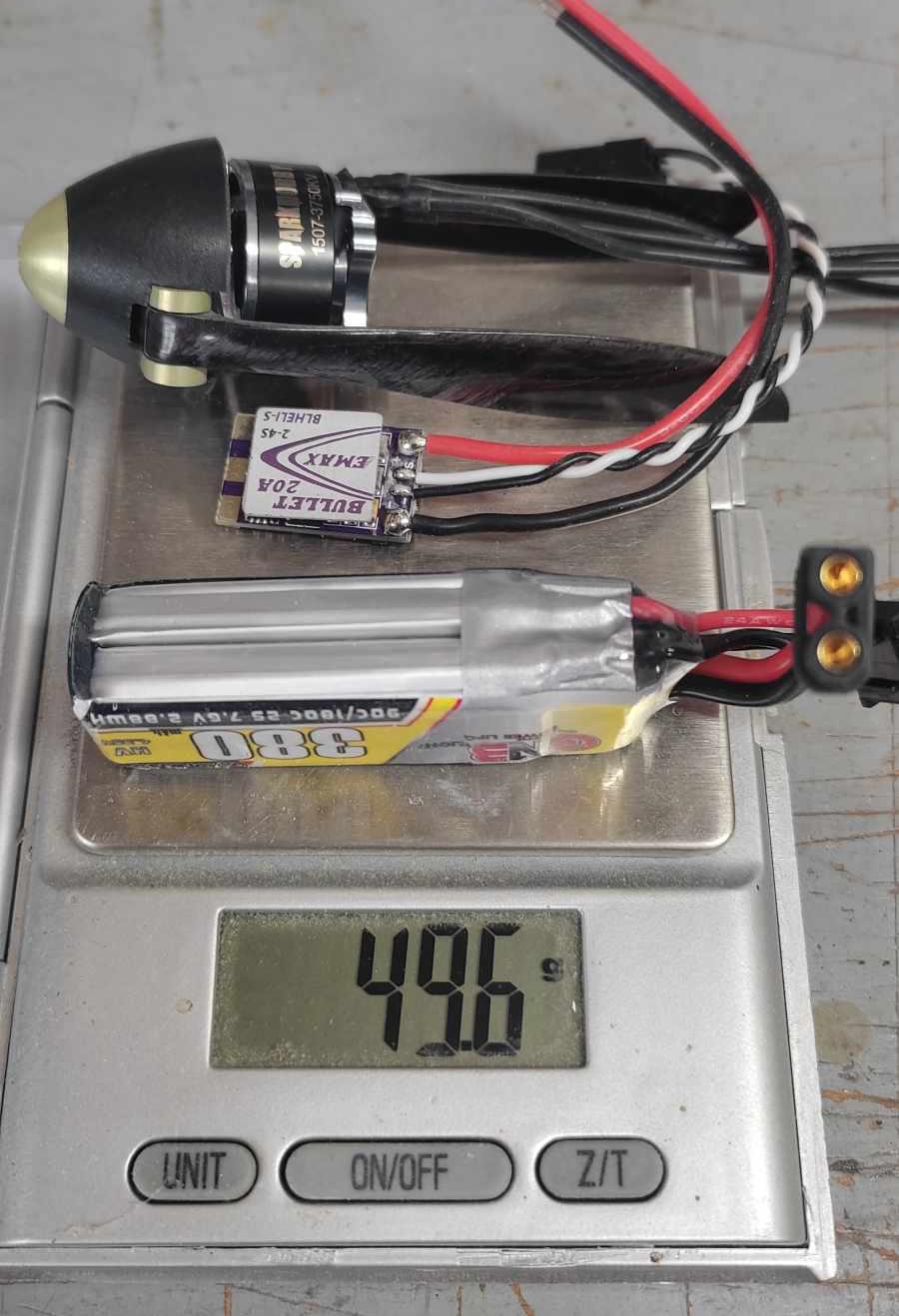
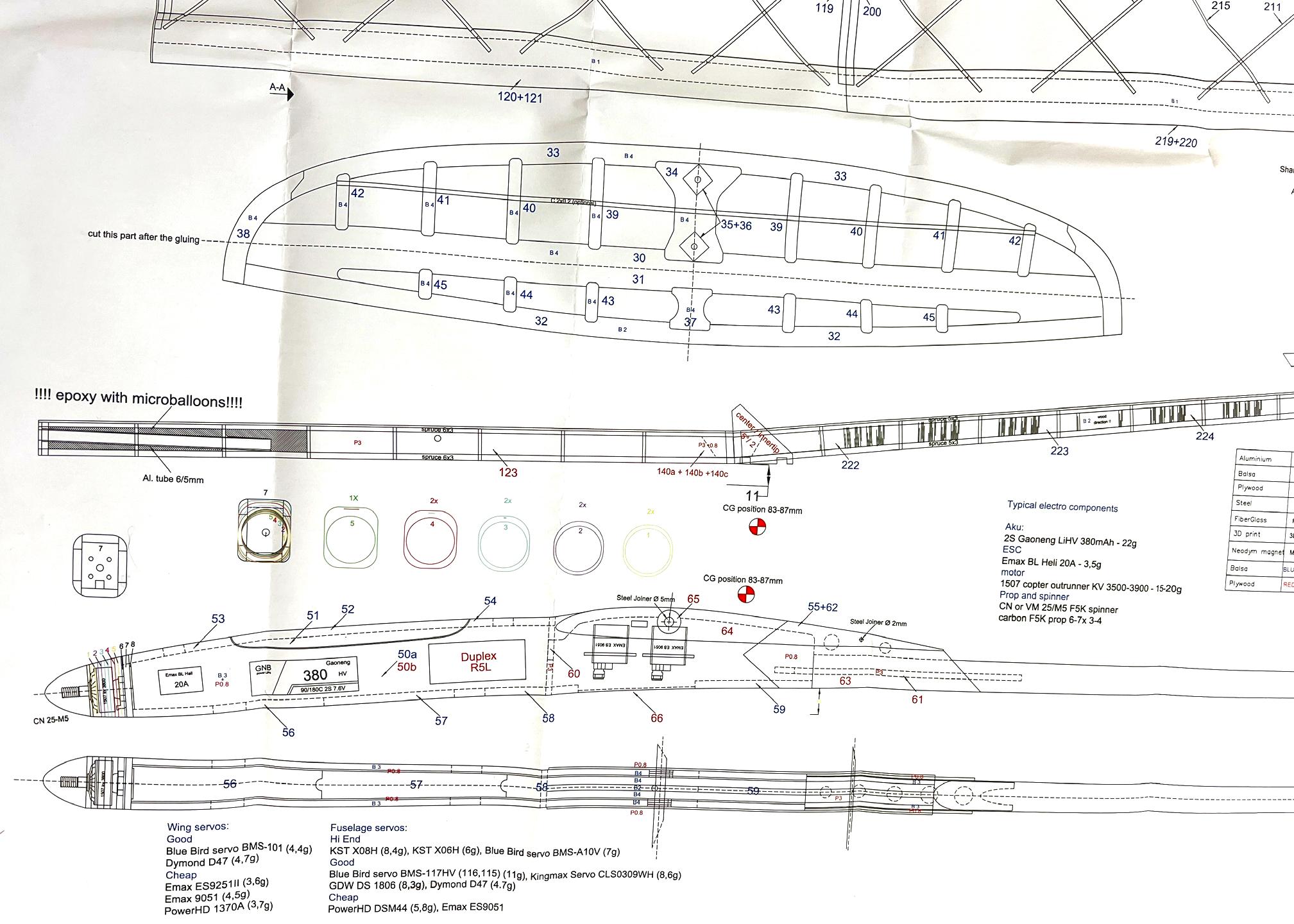
Like the glider version, the electric fuselage was designed to have a minimalist cross section for the least possible frontal drag and surface area. To this end the fuselage uses a small inexpensive 1507 outrunner of only 22mm diameter, and a 25mm spinner. Thus the fuselage maximum dimensions are 25mm wide and 39mm high.
The wing airfoil profile is inspired by the latest molded F5J models and then modified for RES building capabilities. The design emphasis was on increasing the penetration, this lead to reduced maximum thickness and camber. The airfoil thus produces less lift and so the weight of the airframe had to be reduced. Due to the now fully exploited potential of conventional construction, a unique and previously unused geodetic rib design was decided upon. This method increases the required wing stiffness by an order of magnitude. The result is a lighter airframe with greater stiffness, a thinner airfoil for high penetration, and a shallower wing depth for reduced drag. Less wing lift and the required low weight for the opposite of high lift after takeoff. The distribution of the profiles along the wing's semi-span ensures maximum performance even at very low flying weight and stability when circling without the need for major control inputs.
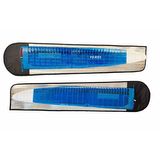
Ballast boxes are built into the wings, allowing 120g of ballast to be added when using steel slugs. Ballast sets (steel and hard wood) with a useful plywood box is available as a separate kit.
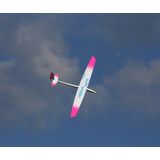
Flight tests show that the Wiki F5L can keep up with the best performing e-RES models in light air thanks to its lower weight despite the smaller wing area. In active air, however, it is even better and more versatile thanks to its greater penetration. Circling is stable and without a tendency to tighten, rudder response is immediate but adequate and the model handles well over a wide range of attitude and centre of gravity positions, making it very versatile. The wing spoilers can be deflected without affecting the model's trim. Landing on point is therefore precise and there is no need for wild elevator corrections.
Overall the Wiki F5L is a thoroughbred electric RES model, capable of winning F5L competitions in all conditions and rewarding both competition and sport pilots.
| Wiki F5L Specifications | ||
|---|---|---|
| Wing span | 2.0 m | 79 in |
| Wing area | 34.0 dm2 | 527 sq in |
| Length | 118 cm | 46.5 in |
| Flying weight from | 390 g | 13.8 oz |
| Wing loading | 11.5 g/dm2 | 3.8 oz/sq ft |
| Aspect ratio | 11.7 | |
| Wing airfoil | HP-RES 36-38 | |
| Dihedral (EDA) | 12.0º | |
| Spinner Diameter | 25 mm | |
| Centre of Gravity | 83-87 mm from wing leading edge | |
| Controls | Rudder, elevator, spoilers | |
| Recommended RC | |
|---|---|
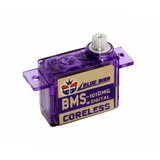
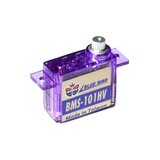
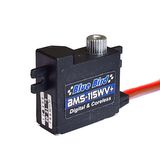
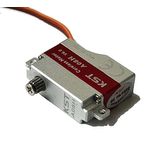
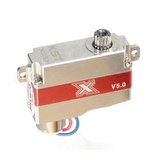
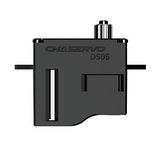
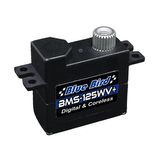
| Rudder & elevator servos | KST X06H, KST X08H, KST A08H, CHA DS06, Blue Bird BMS-101DMG, Blue Bird BMS-101HV, Blue Bird BMS-115WV, Blue Bird BMS-125WV |
| Spoiler servo | Blue Bird BMS-101DMG, Blue Bird BMS-101HV, CHA DS06, Emax 9051 |
| Receiver | 4 or 5 channel receiver to match your transmitter |
| Control Throws | |
|---|---|
| Rudder | 35 mm each way |
| Elevator | 10 mm up & down |
| Spoilers | 80º - 85º up |
| Electric Powertrain Recommendation 1 | |
|---|---|
| Motor | T-Motor F1507 2700 RPM/V |
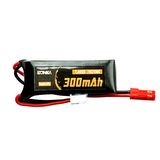
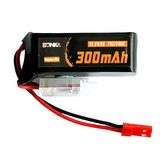
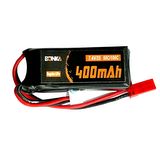
| Battery | Bonka LiPo 2S 300mAh, Bonka LiPo 2S 400mAh |
| ESC | HyperFlight 28A BLHELI-32, HyperFlight 30A BLHELI-32, HyperFlight 40A |
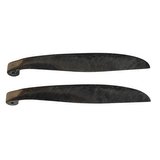
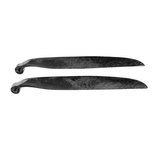
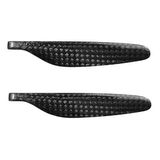
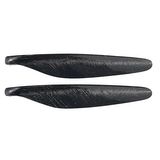
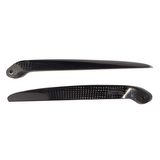
| Prop blades | GM 6.5x4, CN 7x4, OA 7x4.5 |
| Spinner | CN Models 25mm Spinner for M5 shafts, VM 25mm Spinner for M5 shafts |
| Electric Powertrain Recommendation 2 | |
|---|---|
| Motor | T-Motor F1507 3800 RPM/V |
| Battery | Bonka LiPo 2S 300mAh, Bonka LiPo 2S 400mAh |
| ESC | HyperFlight 28A BLHELI-32, HyperFlight 30A BLHELI-32, HyperFlight 40A |
| Prop blades | CN 6x4, Grp 6x3 |
| Spinner | CN Models 25mm Spinner for M5 shafts, VM 25mm Spinner for M5 shafts |
| Electric Powertrain Recommendation 3 | |
|---|---|
| Motor | T-Motor F1507 2700 RPM/V |
| Battery | Bonka LiPo 3S 300mAh |
| ESC | HyperFlight 28A BLHELI-32, HyperFlight 30A BLHELI-32, HyperFlight 40A |
| Prop blades | CN 6x4 |
| Spinner | CN Models 25mm Spinner for M5 shafts, VM 25mm Spinner for M5 shafts |
| Wiki F5L Typical Weights | ||
|---|---|---|
| Bare structure | 265 g | 9.3 oz |
| Covering | 50 g | 1.8 oz |
| Total structure | 315 g | 11.1 oz |
| Receiver | 6 g | 0.2 oz |
| Rudder servo | 5 g | 0.2 oz |
| Elevator servo | 5 g | 0.2 oz |
| Spoiler servos | 10 g | 0.4 oz |
| Motor | 15 g | 0.5 oz |
| Prop & spinner | 7 g | 0.2 oz |
| ESC | 7 g | 0.2 oz |
| Battery | 20 g | 0.7 oz |
| Flying weight | 390 g | 13.8 oz |
See this Photo Build Log for build info.
Reviews 5
After failing at the first fuselage build, I purchased a second model and added 1/2" inside width to allow for radio equipment.
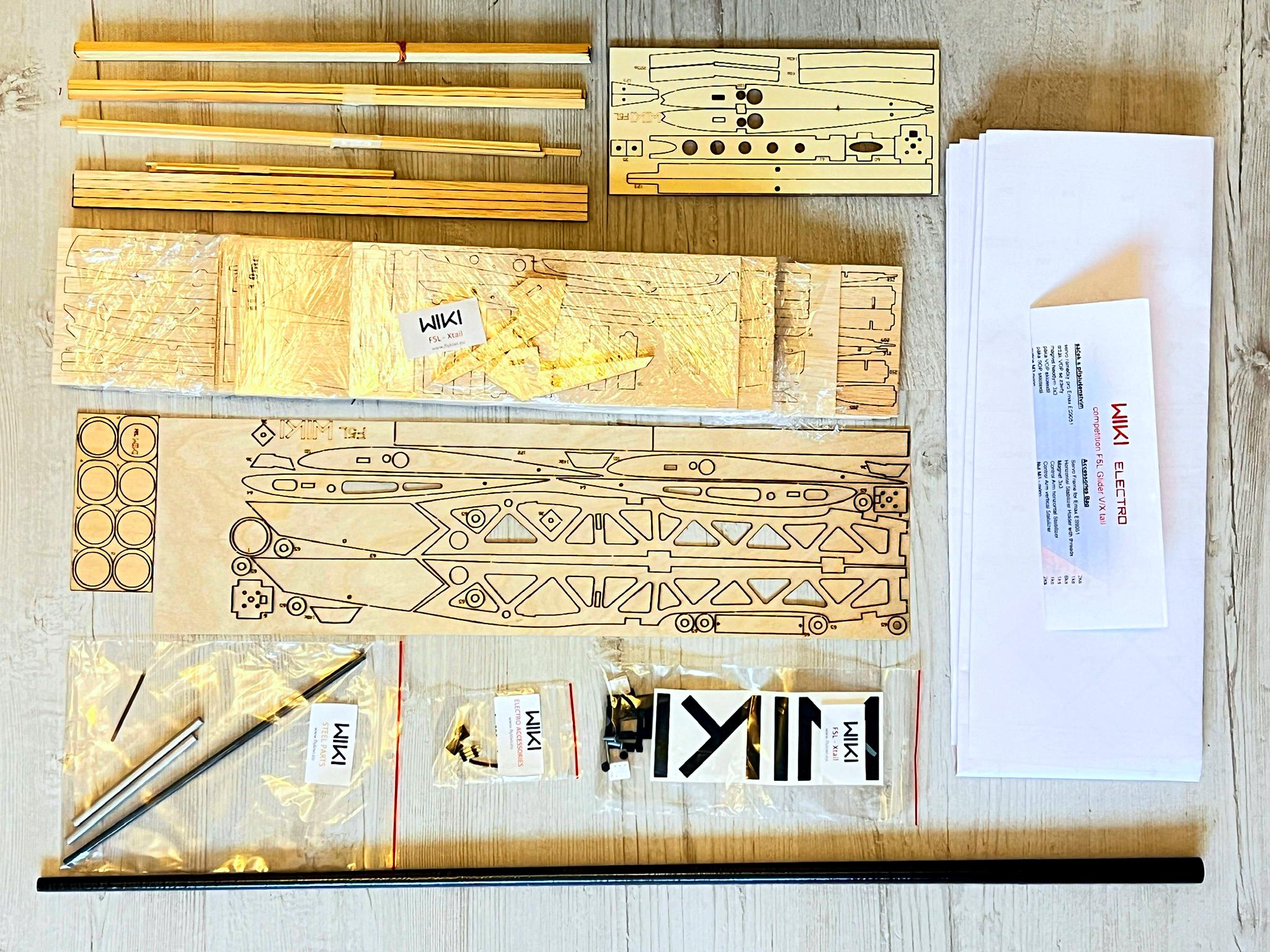
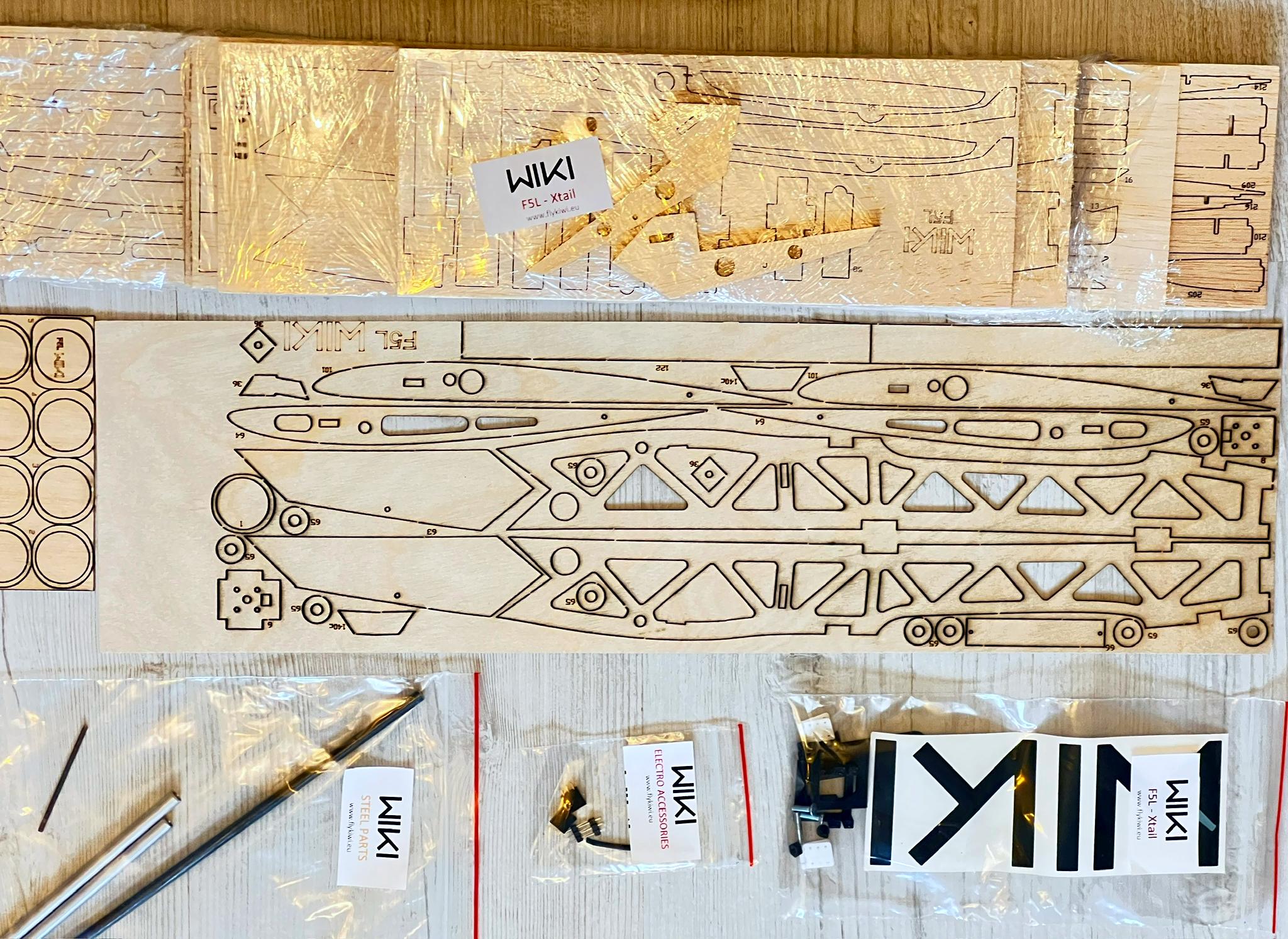
First, Hyperflight got this thing to Colorado USA in five days. Excellent service Neal. Second, As far as the kit goes it's a well designed thought out kit that should fly very good. The problem is the laser cutting, You'll send some time getting the parts out in one piece without breaking them. Patience is required.
I have just finished covering the Wiki I bought earlier this year. I was impressed with the quality of the balsa and laser cutting. The kit included a good quality plan but no building instructions. The plan along with the photo build log for the towline version allowed for a reasonably hassle free build but the fuselage construction for the electric version was different to the build log. I really like the geodesic wing but it is well worth spending time thinking though the assembly order and doing dry runs before final gluing otherwise you will not be able to assemble the ribs without breaking them! The radio and battery is a very tight fit; I increased the pod width by 1.5 mm which helped. Looking forward to testing it out.
Kit lacked directions and thin balsa that broke easily on the wing assembly. I feel like Im left with scraps on a $250 model